

Strength Training: Build a Body That Lasts
Strength Training: Build a Body That Lasts is an excellent exercise that helps improve fitness, burn calories, and boost overall health. Strength training is the fountain of youth. Beyond building muscle, it fortifies your bones, supercharges your metabolism, and builds a resilient mind. This exercise is suitable for all fitness levels and can be done at home or in the gym.
Strength training is the fountain of youth. Beyond building muscle, it fortifies your bones, supercharges your metabolism, and builds a resilient mind.
Strength Training: It’s Not Just for Bodybuilders
When people think of "weightlifting," they often imagine massive bodybuilders in a dark gym. But here’s the secret: Strength training is for everyone. Whether you’re a grandmother looking to stay mobile, a young professional wanting to boost confidence, or an athlete chasing a new personal record, lifting weights is the most effective way to change your body’s composition and long-term health. It’s not just about "bulking up"; it’s about creating a "metabolic engine" that burns fat even when you’re resting.
For women, I want to debunk the biggest myth: lifting heavy weights will not make you "bulky." Instead, it creates that lean, toned look that many chase through endless cardio. For men, it’s the foundation of hormone health and functional power. But beyond the aesthetics, strength training is about resilience. It makes your bones denser, your joints more stable, and your mind tougher. Every time you lift a weight you once found heavy, you’re proving to yourself that you can grow.
The "Life-Changing" Benefits
- The Metabolic Boost: Muscle is metabolically "expensive." The more lean muscle you have, the more calories your body burns just to exist.
- Bone Fortress: Under the stress of lifting, your bones actually become denser and stronger, which is the best defense against osteoporosis.
- Improved Posture: Training your "posterior chain" (back, glutes, hamstrings) naturally pulls your shoulders back and fixes the "office slouch."
- Glucose Control: Strength training improves insulin sensitivity, making it a powerful tool for managing blood sugar levels.
The "Big Three" Lifts
If you only ever did these three exercises, you’d be stronger than 90% of the population. They are called "compound" moves because they use multiple joints and muscle groups at once:
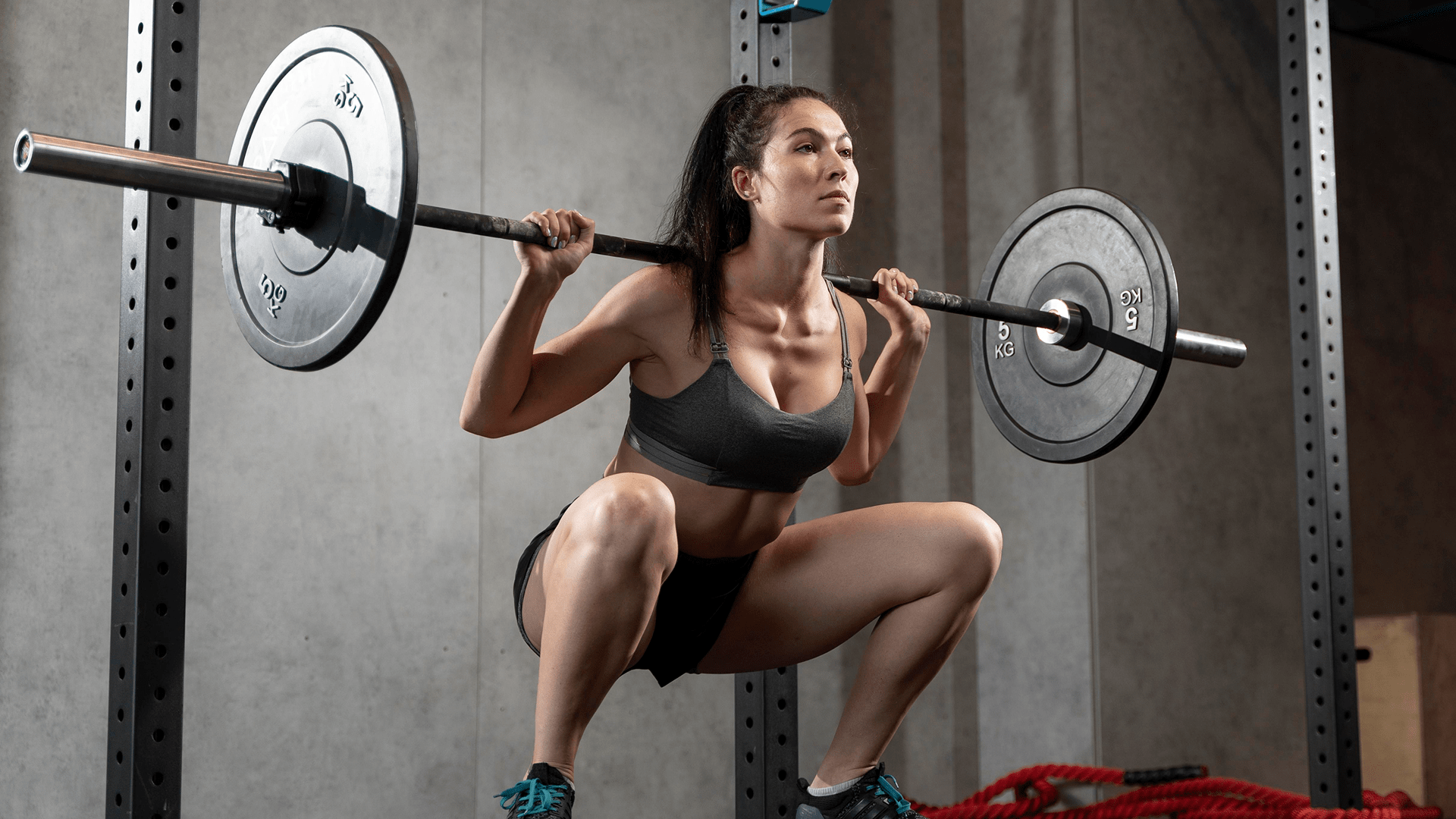
- The Squat: The king of lower body exercises. It builds your legs, glutes, and core. Imagine you’re sitting back into a chair while keeping your chest proud.
- The Bench Press: The classic upper body builder. It targets your chest, shoulders, and triceps. Focus on keeping your feet planted and your shoulder blades squeezed together.
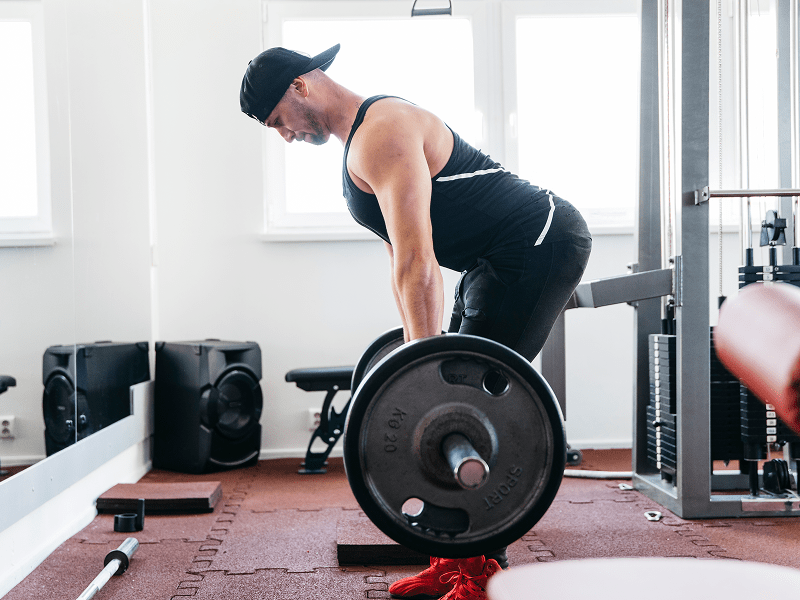
- The Deadlift: The ultimate test of total-body strength. It teaches you how to pick things up safely using your hips and legs, not your lower back.
A Beginner’s "Solid Foundation" Routine
Try this routine 3 days a week. Focus on moving the weight with control, not just speed.
| Exercise | Reps & Sets | The "Human" Tip |
|---|---|---|
| Goblet Squats | 3 Sets of 10 | Hold a weight at your chest; it helps keep your back straight! |
| Push-Ups or Bench Press | 3 Sets of 8 | Keep your elbows tucked at a 45-degree angle. |
| Dumbbell Rows | 3 Sets of 10 | Imagine pulling your elbow toward your hip, not your shoulder. |
| Overhead Press | 3 Sets of 8 | Tighten your glutes to protect your lower back as you push up. |
| Plank Hold | 60 Seconds | Don't let your hips sag; stay as rigid as a board. |
A Note on "Ego Lifting"
The fastest way to get injured is trying to impress people in the gym with weight you can't handle. Form is your best friend. If you can't lift the weight with a full range of motion and a controlled "negative" (the lowering phase), it’s too heavy. Take your time. Strength is a marathon, not a sprint. The goal is to be stronger next year, not just next week.
Closing Thoughts
Strength training is a lifelong investment in your independence. It allows you to move freely, live without pain, and feel capable in your own skin. You don't need to start with much—even a pair of light dumbbells can change your life. The iron never lies to you; it’s the most honest teacher you’ll ever have.
Pick up the weight—empower your body today!
⚠️ Medical Disclaimer
Lifting heavy weights requires proper structural alignment. If you have history of disc herniation or joint replacements, please consult your surgeon before beginning a heavy lifting program.
👨⚕️ Expert Review
Reviewed by Dr. Eva Rostova, MD - Sports Medicine Specialist
🛡️ Safety Notes
Use a spotter for heavy bench presses. Focus on a neutral spine during deadlifts and squats.
✅ Content Quality
Human-authored, expert-reviewed fitness guide
📅 Last Updated
2025-04-01
Explore More Daily & Gym Workouts
"SmartyFit's daily workout plans helped me lose fat, gain muscle, and feel more energetic every day. The guides are easy to follow and super motivating!"— R. Patel, SmartyFit User
Expert Tip
For best results, combine strength and cardio, focus on good form, and listen to your body. Rest and recovery are just as important as the workouts themselves.
Frequently Asked Questions
How often should I do daily workouts for best results?
Most people benefit from 3–6 days per week of daily workouts, mixing strength, cardio, and rest days for optimal results.
What is the best gym routine for beginners?
A full-body routine 2–3 times per week, focusing on basic movements like squats, push-ups, and rows, is ideal for beginners.
How can I lose fat and build muscle at the same time?
Combine strength training with cardio, eat enough protein, and maintain a slight calorie deficit. Consistency is key!
Do I need to go to the gym, or can I work out at home?
You can get great results at home with bodyweight exercises, resistance bands, or simple equipment. The best workout is the one you can stick to!