

Functional Training: The Blueprint for a Capable Body
Functional Training: The Blueprint for a Capable Body is an excellent exercise that helps improve fitness, burn calories, and boost overall health. Train for the unscripted moments of life. Functional training builds a body that isn't just "show muscle," but a high-performance machine ready for anything. This exercise is suitable for all fitness levels and can be done at home or in the gym.
Train for the unscripted moments of life. Functional training builds a body that isn't just "show muscle," but a high-performance machine ready for anything.
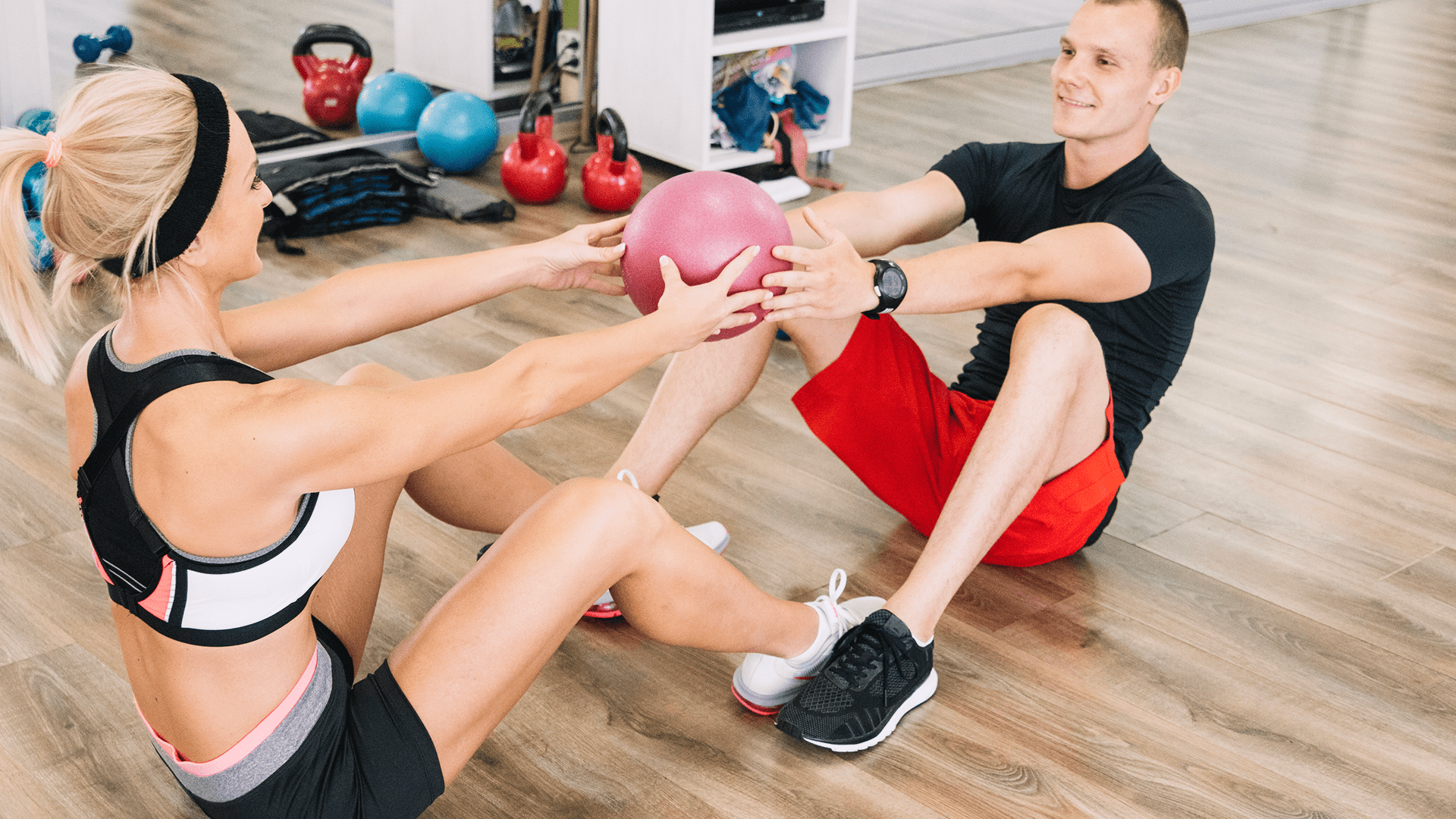
Functional Training: Beyond the Mirror
There is a massive difference between being "gym strong" and being "life strong." While traditional bodybuilding often isolates single muscles (like the bicep curl), **Functional Training** focuses on how your entire body moves through space. It’s about training *movements*, not just muscles. We live in a 3D world where we have to twist, lunge, lift, and carry things that aren't perfectly balanced. Functional training prepares your nervous system and your stabilizer muscles to handle those real-world challenges without throwing your back out.
I often call this "Adulting Insurance." Whether you are lifting a heavy suitcase into an overhead bin, carrying a sleeping toddler to bed, or playing a pickup game of soccer, functional strength is what keeps you in the game. It focuses on the **Big Five Movement Patterns**: Squat, Hinge, Push, Pull, and Carry. If you master these five, you aren't just building a physique—you’re building a body that stays young and capable well into your 80s. It’s about longevity, resilience, and true physical freedom.
The "Total Capability" Benefits
- Joint Longevity: By strengthening the small "protector" muscles around your knees, hips, and shoulders, you reduce the "wear and tear" of daily life.
- The "Hidden" Core: Most functional moves require you to stand and stabilize, meaning your abs are working the entire time. No crunches needed!
- Better Posture: It focuses heavily on the "posterior chain" (your back and glutes) which directly counters the "slump" caused by staring at phones and computers.
- Calorie Efficiency: Because these are compound moves that use multiple muscle groups simultaneously, you burn more fat in less time compared to isolation machines.
The "Capable Human" Routine
Perform this circuit 2-3 times a week. Focus on moving with "grace and grit"—smooth movements with total control.
| Pattern | The Exercise | The "Life" Bonus |
|---|---|---|
| The Hinge | Kettlebell Deadlift | Teaches you to lift heavy things with your hips, not your spine. |
| The Carry | Single-Arm Farmer's Walk | Improves your "anti-lateral" core strength. Great for carrying heavy bags! |
| The Push | Landmine Press (or standing push) | Builds shoulder stability through a natural, functional arc. |
| The Pull | Standing Cable Row | Engages your legs and core while you work your back. |
| The Squat | Step-Ups (onto a bench) | Builds the power needed for stairs, hiking, and getting up from the floor. |
A Pro Tip for "Grip and Glow"
The "White Knuckle" Rule. When you are doing any functional movement—especially a carry or a row—grip the handle as hard as you possibly can. This "irradiation" trick sends a signal through your nervous system to engage your rotator cuff and your core stabilizers more effectively. It makes the weight feel lighter and keeps your joints safer. It’s a small tweak that yields massive "functional" results.
Closing Thoughts
Functional training is the ultimate act of self-reliance. It’s about being the person who can help move the couch, the person who can still run with their grandkids, and the person who feels confident in their own skin. Don't worry about how much weight you can move on a machine. Focus on how well you can move your own body through the world. Every rep is a step toward a more adventurous life.
Move with purpose—stay capable for life!
⚠️ Medical Disclaimer
If you’re coming back from a desk-bound lifestyle or a minor injury, don't rush into high-impact functional moves. Start with the "bodyweight" versions of these patterns until your stabilizers are firing correctly.
👨⚕️ Expert Review
Reviewed by Dr. Eva Rostova, MD - Sports Medicine Specialist
🛡️ Safety Notes
"Motion is Lotion." If a movement feels icky or "pinchy," stop. Functional training should make you feel more capable, not more broken. Focus on the smooth transition between the phases of each lift.
✅ Content Quality
Human-authored, expert-reviewed fitness guide
📅 Last Updated
2025-04-01
Explore More Daily & Gym Workouts
"SmartyFit's daily workout plans helped me lose fat, gain muscle, and feel more energetic every day. The guides are easy to follow and super motivating!"— R. Patel, SmartyFit User
Expert Tip
For best results, combine strength and cardio, focus on good form, and listen to your body. Rest and recovery are just as important as the workouts themselves.
Frequently Asked Questions
How often should I do daily workouts for best results?
Most people benefit from 3–6 days per week of daily workouts, mixing strength, cardio, and rest days for optimal results.
What is the best gym routine for beginners?
A full-body routine 2–3 times per week, focusing on basic movements like squats, push-ups, and rows, is ideal for beginners.
How can I lose fat and build muscle at the same time?
Combine strength training with cardio, eat enough protein, and maintain a slight calorie deficit. Consistency is key!
Do I need to go to the gym, or can I work out at home?
You can get great results at home with bodyweight exercises, resistance bands, or simple equipment. The best workout is the one you can stick to!