

Core Strength: The Secret to a Pain-Free Life
Core Strength: The Secret to a Pain-Free Life is an excellent exercise that helps improve fitness, burn calories, and boost overall health. Your core is your body's engine room. Learn how to build true internal strength that protects your back, improves posture, and powers every movement. This exercise is suitable for all fitness levels and can be done at home or in the gym.
Your core is your body's engine room. Learn how to build true internal strength that protects your back, improves posture, and powers every movement.
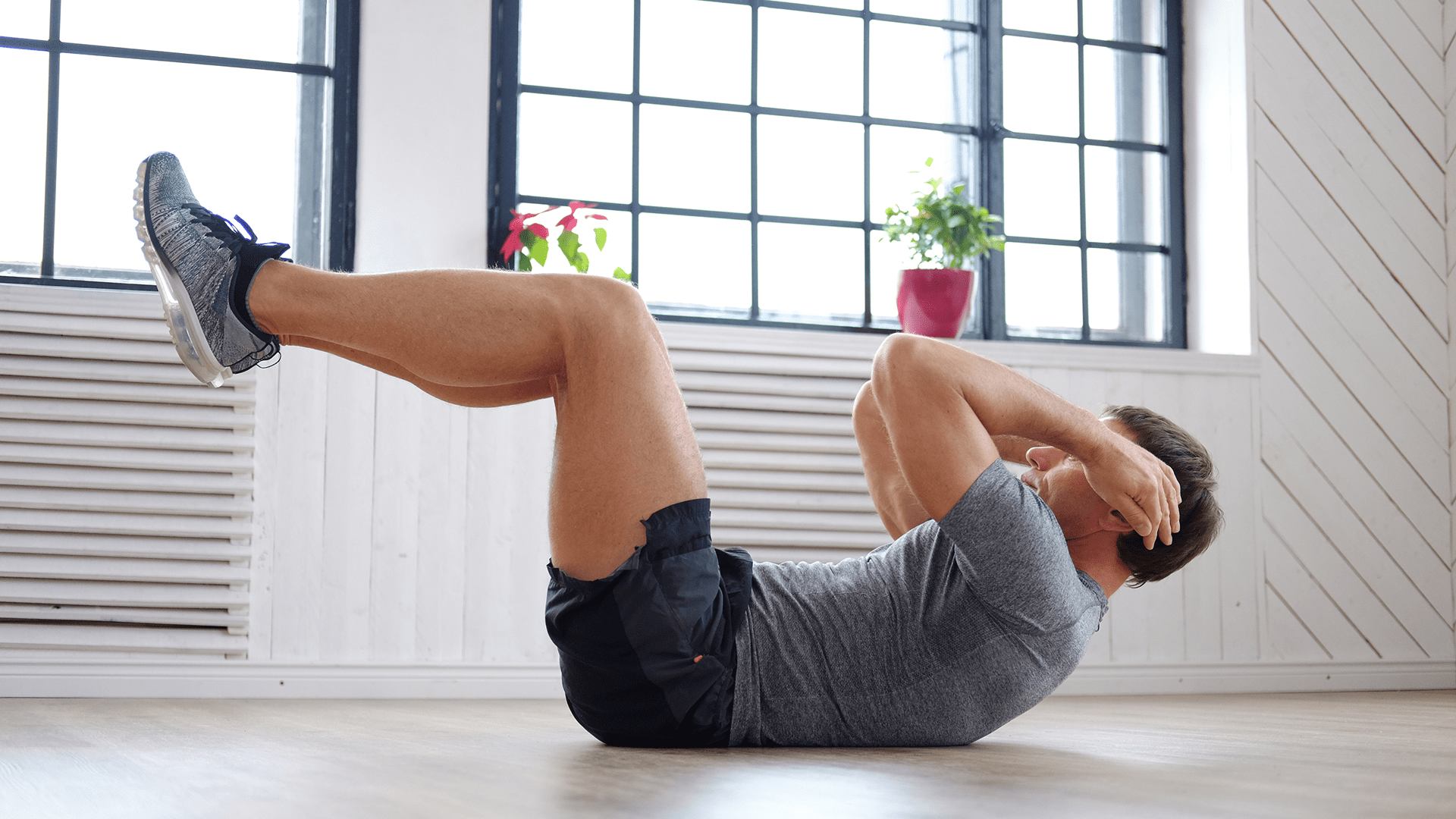
Core Training: It’s More Than Just a Six-Pack
In the fitness world, "core" is often used as a synonym for "abs." But having a visible six-pack doesn't necessarily mean you have a strong core. Your core is actually a complex system of muscles—including your obliques, lower back, and even your diaphragm—that works together to stabilize your spine. Think of it as a natural weightlifting belt that you wear 24/7. When your core is strong, everything feels easier: from picking up your kids to sprinting for the bus or sitting at a desk without back pain.
I often tell my clients to stop doing 100 crunches a day. Crunches teach your body to flex, but your core's primary job is actually stabilization—preventing unwanted movement. That’s why moves like planks, carries, and "dead-bugs" are so much more effective. They teach your muscles to hold your spine in a safe, neutral position while your arms and legs move. It’s not the most "glamorous" training, but it’s the most important for staying injury-free for life.
The "Unseen" Benefits
- Back Pain Relief: A weak core is the #1 cause of lower back pain. Strengthening these muscles provides better support for your vertebrae.
- Athletic Power: All power is generated from the center. A strong core allows you to transfer force from your legs to your arms more efficiently.
- Better Balance: Your core helps keep you upright. As we age, core strength is our best defense against accidental falls.
- Improved Digestion & Breathing: A functional core supports your internal organs and allows your diaphragm to expand fully for better oxygen intake.
The "Anti-Movement" Pillars
To build a truly functional core, you need to train three specific types of stability:
- Anti-Extension: Preventing your lower back from arching (e.g., The Plank).
- Anti-Rotation: Preventing your torso from twisting (e.g., The Paloff Press).
- Anti-Lateral Flexion: Preventing your body from leaning to one side (e.g., Single-Arm Farmer's Carry).
The "Total Pillar" 10-Minute Routine
Perform these moves slowly. Core work is about tension, not speed. Complete the circuit twice.
| Exercise | Duration | The "Human" Tip |
|---|---|---|
| The "Dead Bug" | 60 Seconds | Press your lower back into the floor so hard that no air can pass under it. |
| Bird-Dog | 60 Seconds | Reach forward and back like you're trying to touch two walls. Keep your hips level! |
| Forearm Plank | 45 Seconds | Squeeze your glutes and pull your elbows toward your toes to create massive tension. |
| Side Plank | 30s Per Side | Don't let your hips sag. Imagine a string pulling your top hip to the ceiling. |
| Glute Bridge | 60 Seconds | Push through your heels; don't use your lower back to pull yourself up. |
A Pro Tip for "Waking Up" Your Abs
Use the "Cough" Test. If you're struggling to feel your core, take a deep breath and give a sharp, fake cough. That tight feeling you get in your midsection? That’s your core engaging. Try to maintain about 20% of that tension during all your other exercises, from squats to overhead presses. This "bracing" technique is the secret to total-body stability.
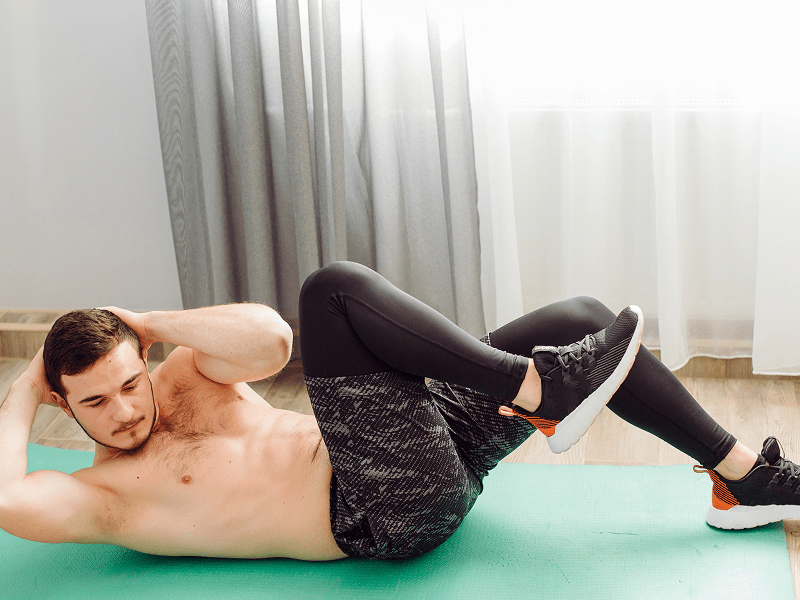
Closing Thoughts
True core strength is quiet and hidden. It’s not about how you look in a mirror; it’s about how you feel after a long day on your feet. Invest in your core, and your body will thank you for decades to come. Just remember: keep it slow, keep it steady, and don't forget to breathe.
Strengthen your center—protect your future!
⚠️ Medical Disclaimer
If you have a history of bulging discs or sciatica, traditional crunches can worsen your condition. Focus on "anti-extension" moves like planks and bird-dogs instead.
👨⚕️ Expert Review
Reviewed by Dr. Eva Rostova, MD - Sports Medicine Specialist
🛡️ Safety Notes
Breathe! Many people hold their breath during core work, which spikes blood pressure. Exhale on the hardest part of the move.
✅ Content Quality
Human-authored, expert-reviewed fitness guide
📅 Last Updated
2025-04-01
Explore More Daily & Gym Workouts
"SmartyFit's daily workout plans helped me lose fat, gain muscle, and feel more energetic every day. The guides are easy to follow and super motivating!"— R. Patel, SmartyFit User
Expert Tip
For best results, combine strength and cardio, focus on good form, and listen to your body. Rest and recovery are just as important as the workouts themselves.
Frequently Asked Questions
How often should I do daily workouts for best results?
Most people benefit from 3–6 days per week of daily workouts, mixing strength, cardio, and rest days for optimal results.
What is the best gym routine for beginners?
A full-body routine 2–3 times per week, focusing on basic movements like squats, push-ups, and rows, is ideal for beginners.
How can I lose fat and build muscle at the same time?
Combine strength training with cardio, eat enough protein, and maintain a slight calorie deficit. Consistency is key!
Do I need to go to the gym, or can I work out at home?
You can get great results at home with bodyweight exercises, resistance bands, or simple equipment. The best workout is the one you can stick to!