

Circuit Training: The Time-Saving Warrior Workout
Circuit Training: The Time-Saving Warrior Workout is an excellent exercise that helps improve fitness, burn calories, and boost overall health. Stop wasting time between sets. Circuit training combines strength and cardio into one unstoppable flow that builds muscle while melting fat. This exercise is suitable for all fitness levels and can be done at home or in the gym.
Stop wasting time between sets. Circuit training combines strength and cardio into one unstoppable flow that builds muscle while melting fat.
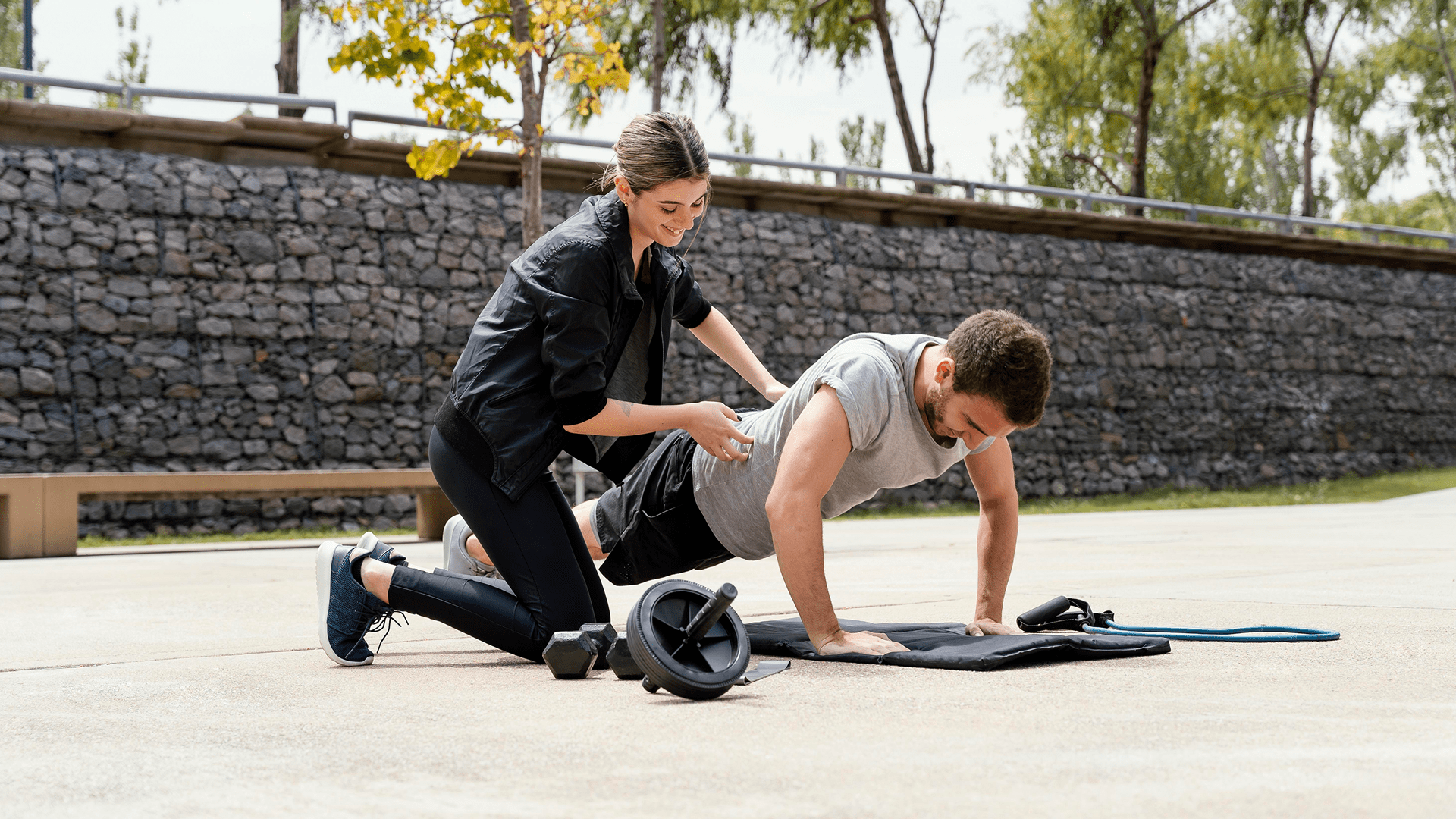
Circuit Training: Why Moving Fast is the Key to Getting Lean
We’ve all seen it: the guy at the gym who sits on the bench for five minutes between every set, staring at his phone. If you have two hours to spare, that’s fine. But for the rest of us, Circuit Training is the ultimate solution. By moving immediately from one exercise to the next with minimal rest, you keep your heart rate elevated while challenging different muscle groups. It’s essentially a "two-for-one" special that gives you the benefits of a heavy lifting session and a intense cardio workout in half the time.
I love circuit training for its efficiency and "flow." Once you start, you don't stop until the circuit is done. This builds a unique kind of "work capacity"—the ability to recover quickly and keep going. Whether you're using dumbbells, kettlebells, or just your own body weight, the principles are the same: stay in motion, keep your core engaged, and focus on the transition. It’s the perfect workout for busy parents, traveling professionals, or anyone who wants a "tough-as-nails" physique.
The "Fast-Track" Benefits
- Epic Calorie Burn: Because you're never truly resting, your body stays in a high-intensity "burn state" throughout the entire session.
- Muscle Endurance: Your muscles learn to function under fatigue, which is crucial for real-world sports and activities.
- Time Mastery: You can get a world-class workout done in 30 minutes or less.
- Versatility: Circuits can be adapted for any goal. Want more muscle? Use heavier weights. Want more cardio? Move faster with lighter weight.
The "Perfect Circuit" Blueprint
A good circuit should be balanced. Try to hit these five markers in every loop:
- Upper Body Push: Push-ups or Shoulder Press.
- Lower Body Power: Squats or Lunges.
- Upper Body Pull: Rows or Face-pulls.
- Core Stability: Plank or Russian Twists.
- Cardio Burst: Burpees or Mountain Climbers.
The 30-Minute "Total Burn" Circuit
Do each move for 40 seconds. Rest for 20 seconds as you move to the next station. After one full loop, rest for 2 minutes. Repeat 3 times.
| Station | Exercise | The "Human" Tip |
|---|---|---|
| 1 | Dumbbell Goblet Squats | Sit deep; keep your elbows inside your knees. |
| 2 | Incline Push-Ups | Focus on a full stretch in your chest. |
| 3 | Kettlebell Swings | Snap your hips! It’s a hinge, not a squat. |
| 4 | Bent Over Rows | Pull your elbows toward the ceiling. |
| 5 | Bicycle Crunches | Go slow; focus on the twist in your core. |
| 6 | Jumping Jacks | All-out speed for the final push! |
A Pro Tip for Transitions
Set up your gear beforehand. The enemy of a good circuit is "hunting" for a weight or a machine halfway through. Before you start the clock, gather everything you need in one small area. This keeps your rest periods short and your "intensity" high. If someone asks to jump in, let them! It’s a great way to stay motivated and keep the energy high in the room.

Closing Thoughts
Circuit training is about resilience. It’s about teaching your body to perform when it wants to stop. Whether you're doing it in your garage or at a high-end gym, remember that the "magic" happens in those final few repetitions when you're tired but your form is still sharp. Stay focused, stay moving, and enjoy the sweat.
Finish the loop—earn your results!
⚠️ Medical Disclaimer
Circuit training can be very cardiovascularly demanding. If you have heart issues or asthma, ensure you have your rescue medication nearby and rest longer between stations.
👨⚕️ Expert Review
Reviewed by Dr. Eva Rostova, MD - Sports Medicine Specialist
🛡️ Safety Notes
Maintain control! When you're "racing the clock," form is the first thing that goes. Don't sacrifice safety for speed.
✅ Content Quality
Human-authored, expert-reviewed fitness guide
📅 Last Updated
2025-04-01
Explore More Daily & Gym Workouts
"SmartyFit's daily workout plans helped me lose fat, gain muscle, and feel more energetic every day. The guides are easy to follow and super motivating!"— R. Patel, SmartyFit User
Expert Tip
For best results, combine strength and cardio, focus on good form, and listen to your body. Rest and recovery are just as important as the workouts themselves.
Frequently Asked Questions
How often should I do daily workouts for best results?
Most people benefit from 3–6 days per week of daily workouts, mixing strength, cardio, and rest days for optimal results.
What is the best gym routine for beginners?
A full-body routine 2–3 times per week, focusing on basic movements like squats, push-ups, and rows, is ideal for beginners.
How can I lose fat and build muscle at the same time?
Combine strength training with cardio, eat enough protein, and maintain a slight calorie deficit. Consistency is key!
Do I need to go to the gym, or can I work out at home?
You can get great results at home with bodyweight exercises, resistance bands, or simple equipment. The best workout is the one you can stick to!