

Sitting Kegels: The Invisible Office Workout
Too busy for the gym? Sitting Kegels are the ultimate "stealth" workout you can do at your desk, in a meeting, or during your commute without anyone noticing.
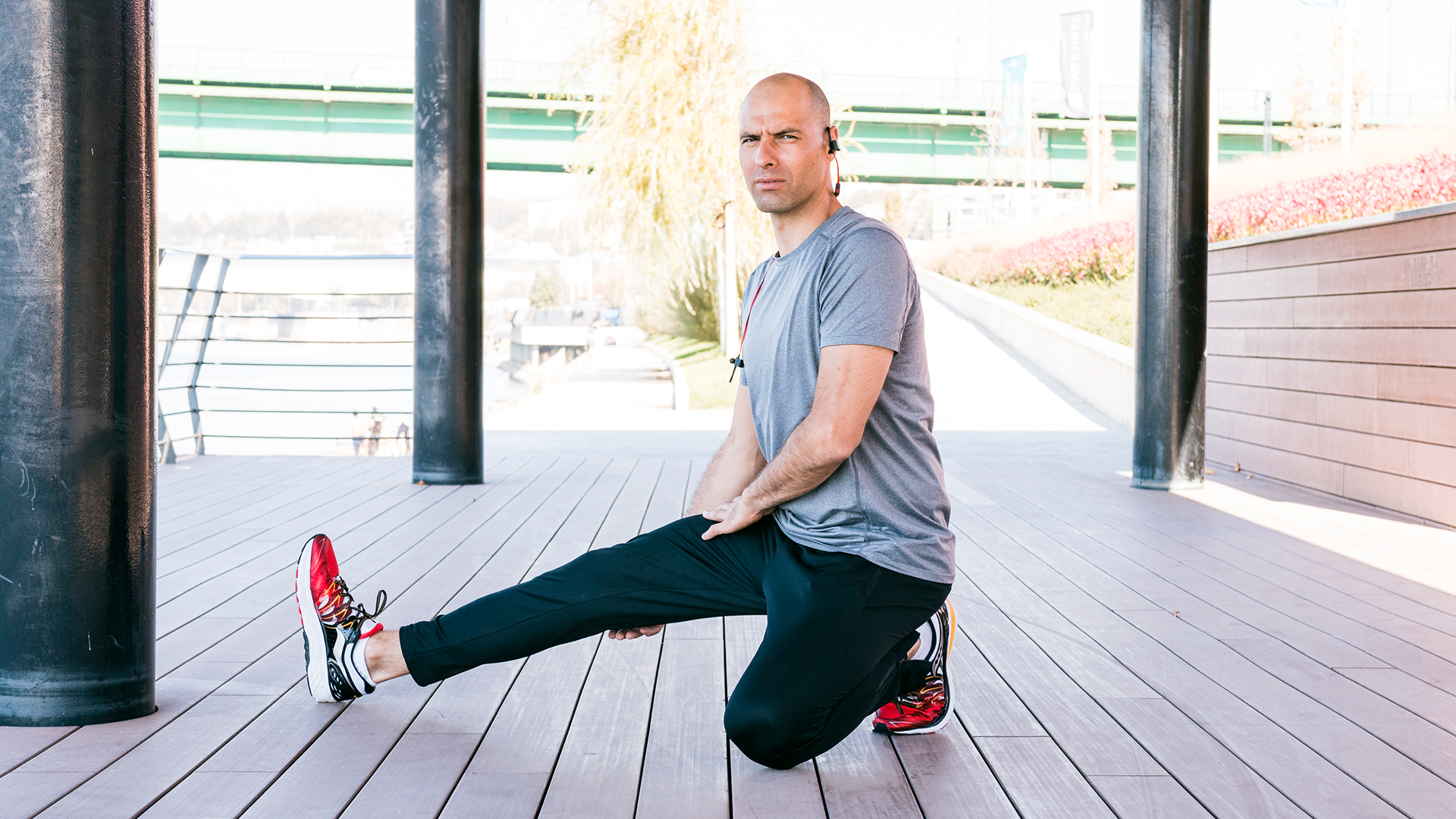
Sitting Kegels: Transforming Dead Time into Strength
Most of us spend the majority of our day sitting—in the car, at a desk, or on the couch. This "sedentary" lifestyle is actually one of the biggest enemies of a strong pelvic floor. When we sit, our muscles tend to go slack. Sitting Kegels turn that "dead time" into a productive strength session. Because they are completely invisible, you can do them in a high-stakes board meeting or while stuck in traffic, and no one will have any idea you’re basically at the gym.
I call this the "Modern Man’s Hack." You don't need equipment, you don't need a locker room, and you don't even need to stand up. It’s about building a functional, resilient core from the bottom up while you get your actual work done. It fixes posture, boosts circulation, and ensures your "foundation" stays strong even if you're stuck at a desk all day.
The "Stealth" Benefits
- Zero Time Cost: Since you're already sitting, this workout costs you exactly zero extra minutes in your day.
- Postural Correction: You can't do a proper sitting Kegel while slouching. The exercise forces you to sit up tall and engage your deep core.
- Gravity Challenge: Sitting puts a different kind of pressure on your pelvic floor than lying down, making the muscles work harder to "lift" against your body weight.
- Automatic Habits: It’s easy to link Kegels to seated cues, like "every time I open a new email" or "every time I stop at a red light."
The "Power Chair" Setup
To get the most out of a sitting Kegel, your setup matters. Don't just squeeze while you're hunched over your keyboard.
- Sit Tall: Move your butt to the back of the chair and feel your "sit bones" (the bony parts of your glutes) connecting with the seat.
- Feet Flat: Keep both feet on the floor, uncrossed. This keeps your pelvis neutral and prevents "cheating" with your thigh muscles.
- The String: Imagine a string pulling the top of your head toward the ceiling. This opens up your midsection for better breathing.
The "Office Hour" Routine
Try this every hour you spend at your desk. It takes less than 2 minutes.
| Action | Duration | The "Human" Tip |
|---|---|---|
| The Desktop Squeeze | Hold for 5 seconds, rest for 5. Repeat 5 times. | Focus on "lifting" your muscles away from the chair cushion. |
| The Rapid Fire | 10 quick pulses (squeeze-release, squeeze-release). | Keep these light and fast. It wakes up the nerves. |
| The Deep Breath | 3 deep belly breaths while fully relaxing. | Let your belly expand. This prevents your core from getting too "tight." |
A Pro Tip for the Commuter
The "Red Light" Cue. If you drive to work, make every red light your signal to do a set of Kegels. It turns a frustrating delay into a productive health habit. By the time you get to the office, you’ve already completed 4 or 5 sets of invisible training. Just remember to keep your hands on the wheel and your eyes on the road—only your internal muscles should be moving!

Closing Thoughts
Sitting doesn't have to be "passive" time. By incorporating Kegels into your seated routine, you’re taking a proactive stance on your pelvic health. It’s the easiest way to stay strong, confident, and in control, no matter how busy your schedule gets. Sit tall, squeeze smart, and own your day.
Strength in every seat—make your chair work for you!
⚠️ Medical Disclaimer
Sitting for long periods can weaken the pelvic floor. If you have chronic tailbone pain or sciatica, adjust your posture or consult a therapist before starting a heavy regimen.
👨⚕️ Expert Review
Reviewed by Dr. Eva Rostova, MD - Sports Medicine Specialist
🛡️ Safety Notes
No slouching! To properly engage your pelvic floor while sitting, you must sit tall on your "sit bones." Slouching makes it harder to isolate the right muscles.
✅ Content Quality
Human-authored, expert-reviewed fitness guide
📅 Last Updated
2025-04-01
Explore More Kegel Exercises for Men
"SmartyFit's Kegel guides helped me improve my confidence and performance. The instructions are clear and easy to follow!"— S. Verma, SmartyFit User
Expert Tip
For best results, do Kegels regularly, focus on slow and controlled movements, and don't overdo it. Consistency is key for pelvic health.
Frequently Asked Questions
How often should men do Kegel exercises?
Most men benefit from doing Kegels 3–5 times per week, with 2–3 sets of 10–15 reps per session.
Can Kegels help with erectile dysfunction?
Yes, regular Kegel exercises can improve blood flow and pelvic floor strength, which may help with erectile dysfunction.
How do I know if I'm doing Kegels correctly?
You should feel a lifting and tightening of the pelvic floor muscles. Avoid squeezing your glutes or thighs.
Are Kegels safe for all men?
Yes, but if you have any pelvic pain or medical conditions, consult a healthcare provider before starting.